
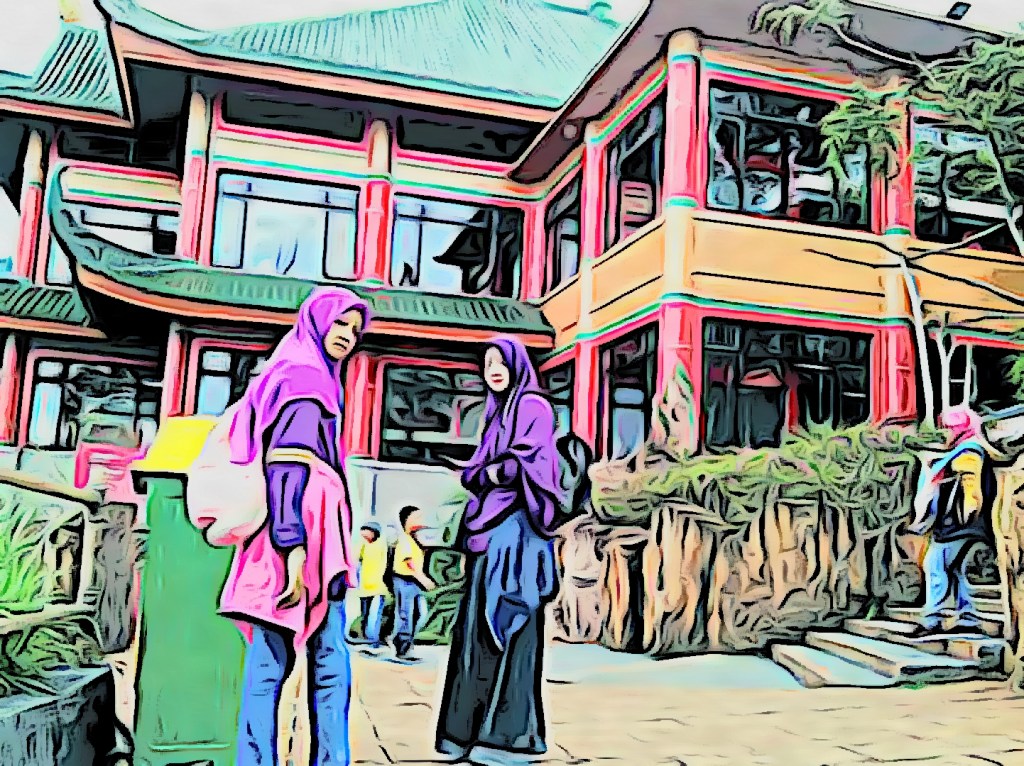
Sociologist Mannheim in his essay entitled “The Problem of Generation,” states that adolescents aged 11 years to 24 years, classified as Generation Z, are the generation after Generation Y, which is defined as people born in the range of birth years 1995 to 2010.
Generation Z are people who were born in the internet generation, a generation that has enjoyed the magic of technology after the birth of the internet.
The first generation Z in Indonesia was the generation born in 1995, at which time the internet was already present in Indonesia.
If the first Generation Z are those who were born in 1995, it means that the oldest people of Generation Z Indonesia are 24 years old: they have grown up, have participated in elections, are looking for and have jobs, have seen the transition of the New Order regime to a reformation regime, and have the ability to influence fields in everyday life such as economy, politics, social, culture, religion and others. Gen Z is a digital generation who is proficient and passionate about information technology and various computer applications.
They will access the information needed for educational and personal purposes quickly and easily. Generation Z members don’t know a world without smartphones or social media. When the iPhone was released in 2007, the oldest member of this generation was only 12 years old and the youngest member was not yet born.
They know all the ins and outs of technology. In fact, their technological abilities seemed innate. Generation Z likes and often communicates with all groups, especially through social networks such as Facebook, Twitter, Line, WhatsApp, Telegram, Instagram, or SMS. Generation Z has learned from these mistakes and has opted for a platform that is more private and less permanent.
Generation Z is truly the first generation of the digital world. Smartphones and social media are not seen as devices and platforms, but rather as ways of life. It sounds crazy, but several studies back up this claim.
A study by Goldman Sachs found that nearly half of Gen Z was connected online 10 hours a day or more. Another study found that a fifth of Gen Z experienced negative symptoms when kept away from their smartphone devices.
Through this media, they are freer to express what they feel and think spontaneously. When platforms like Facebook and Twitter first came out, millennials and older generations used them without thinking about impact.
Over time, they realized that making a living in the eyes of the public could easily haunt them.
Generation Z is also known to be more independent than previous generations. They don’t wait for their parents to teach them things or tell them how to make decisions. When translated into the workplace, this generation has grown to choose to work and study on their own.
They also tend to be tolerant of cultural differences and very concerned about the environment. Without a doubt, Generation Z will be the most diverse generation to enter the workforce.
They consist of various sections of minority racial or ethnic groups. They are also raised to be more accepting and respectful of the environment than previous generations of people. Generation Z is accustomed to various activities at the same time. For example reading, talking, watching, and listening to music at the same time.
This is because they want everything to be fast paced, not wordy and convoluted, tend to lack in verbal communication, tend to be egocentric and individualistic, tend to want to be instantaneous, impatient, and do not appreciate the process. Generation Z puts money and work on their priority list. Of course, they want to make a difference, but living and growing is more important.
Quickly complacent is not a word that reflects Generation Z. 75% of Gen Z are even interested in holding multiple positions in a company, if that can speed up their careers.
 Edu Inspirer